What is a Smart Grid Then?
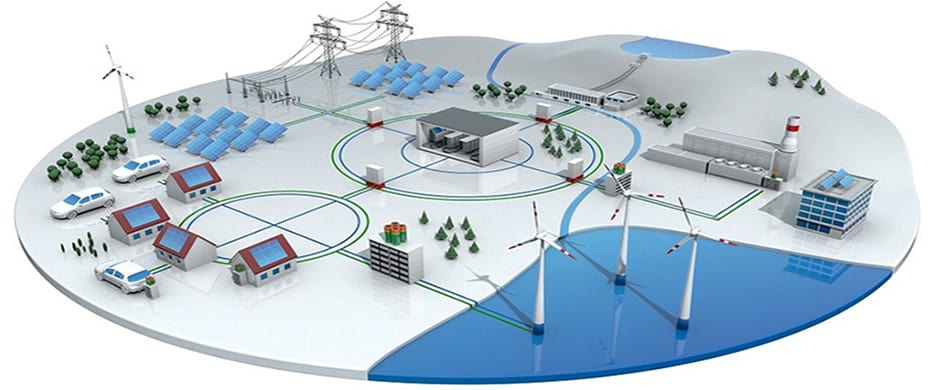
In simple words, an automation system between utility and consumers. This smart grid consist of advance digital system, automation, computer and control which make sure to perform a duplex “two way” communication between the power provider and load consumer.
In a typical electrical grid system, electricity provider only will know the power failure when a costumer call them. But in case of smart grid system, if electric supply fails, service provider will automatically respond to the affected area because the components of smart grid provides enough data i.e. from the power transformer, maintransmission and distribution system and finally, to the home supply system (you may say the utility meter).
What Things Make a Grid “Smart”?
According to the Department of Energy (United States), Four types of advance technology will transform a typical electrical grid into Smart Grid which are as follow:
- Fully automated and Integrated two way communication between the overall components of an electric grid.
- Automatic Control for power distribution, faults and repairs.
- Advance management panel, decision support software and mechanism.
- Accurate sensing and measurement technologies.
 Upgraded technology of smart grids has well-organized automation equipment and control system, whose response is accurate to meet the rapidly increasing demand for electricity. Time when these smart grids were not implemented all utilities companies were bound to send their respective workers to take meter reading and acquire data related to consumer.
What does a Smart Grid do?
Smart grid performs lots of smart jobs  . Some advantages of a smart grid are stated follow:
. Some advantages of a smart grid are stated follow:
Efficient Transmission and Distribution of Electric Power.
Quickly restore electric power after power failure due to faults.
Lower cost for operation, maintenance, management and electricity for both utilities and consumers.
Lower electric power tariff and rates due to reduced peak demand.
Provide better options of integration of renewable energy for self power generation systems.
Improve the security and protection.
Quickly restore electric power after power failure due to faults.
Lower cost for operation, maintenance, management and electricity for both utilities and consumers.
Lower electric power tariff and rates due to reduced peak demand.
Provide better options of integration of renewable energy for self power generation systems.
Improve the security and protection.
Applications of a Smart Grid System.
Deployment of Digital Technology in smart grids ensures the reliability, efficiency and accessibility to the consumers regarding all utilities which count towards the economic stability of the nation. Right at the start of transition time it become perilous to execute testing, to improve the technology by up gradation, developing and maintaining standards on a standard threshold and also application of these efficient grids serve all these problems
Basic applications of smart grids are
- They improve the adeptness of transmission lines
- Quick recovery after any sudden breakage/disturbance in lines and feeders
- Cost Reduction
- Reduction of peak demand
- They possess the ability to be integrated with renewable energy sources on a large level which leads to sharing of load and reduction of load on large scale

No comments:
Post a Comment